Car Seat Safety in Kenya: NTSA Rules & How to Choose the Right One
Rodvon Team
Author
Did you know that according to Kenyan traffic laws, all children must be secured in appropriate child restraints while traveling in private vehicles? Beyond avoiding NTSA fines, a good car seat is the single most important safety device you will buy for your child.
Driving in Nairobi can be unpredictable—from sudden matatu stops to rough roads. A standard seatbelt is designed for adults, not for little bodies. Here is how to choose the right seat for your baby's age and weight.
1. Rear-Facing is Safest (0-15 Months)
For newborns and infants, Rear-Facing is non-negotiable. In the event of a sudden brake or collision, the shell of the seat protects the baby’s fragile neck and spine.
- Age: Birth to 15 months (or 13kg).
- Tip: Look for a carrier that can detach, so you don't wake the baby when leaving the car.
2. Forward-Facing (Toddlers)
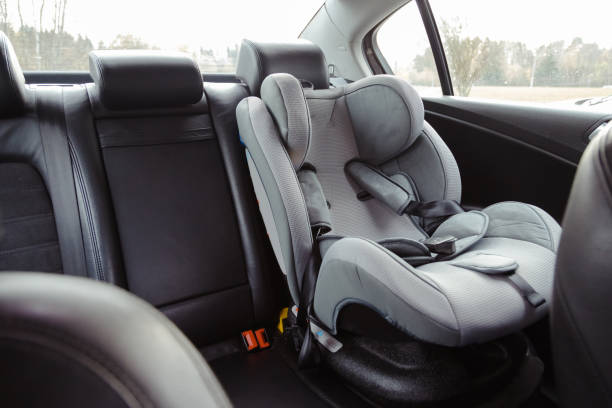
Once your child outgrows the infant carrier (usually around 1.5 to 4 years), they graduate to a forward-facing seat with a 5-point harness.
Key Feature to Look For: Side Impact Protection. This adds extra padding around the head to protect against side collisions.
Safety First: 3-in-1 Convertible Car Seats
Grows with your child from infant to toddler.
Browse Car Seats & Safety Gear3. Installation Mistakes to Avoid
Even the most expensive seat is useless if installed incorrectly.
- The "Wiggle" Test: Grab the seat at the base. It should not move more than 1 inch side-to-side.
- Harness Tightness: You should not be able to pinch the webbing at the child's shoulder. If you can pinch fabric, it's too loose.
Your child’s safety is our priority. We stock European-standard car seats tested for safety and comfort.